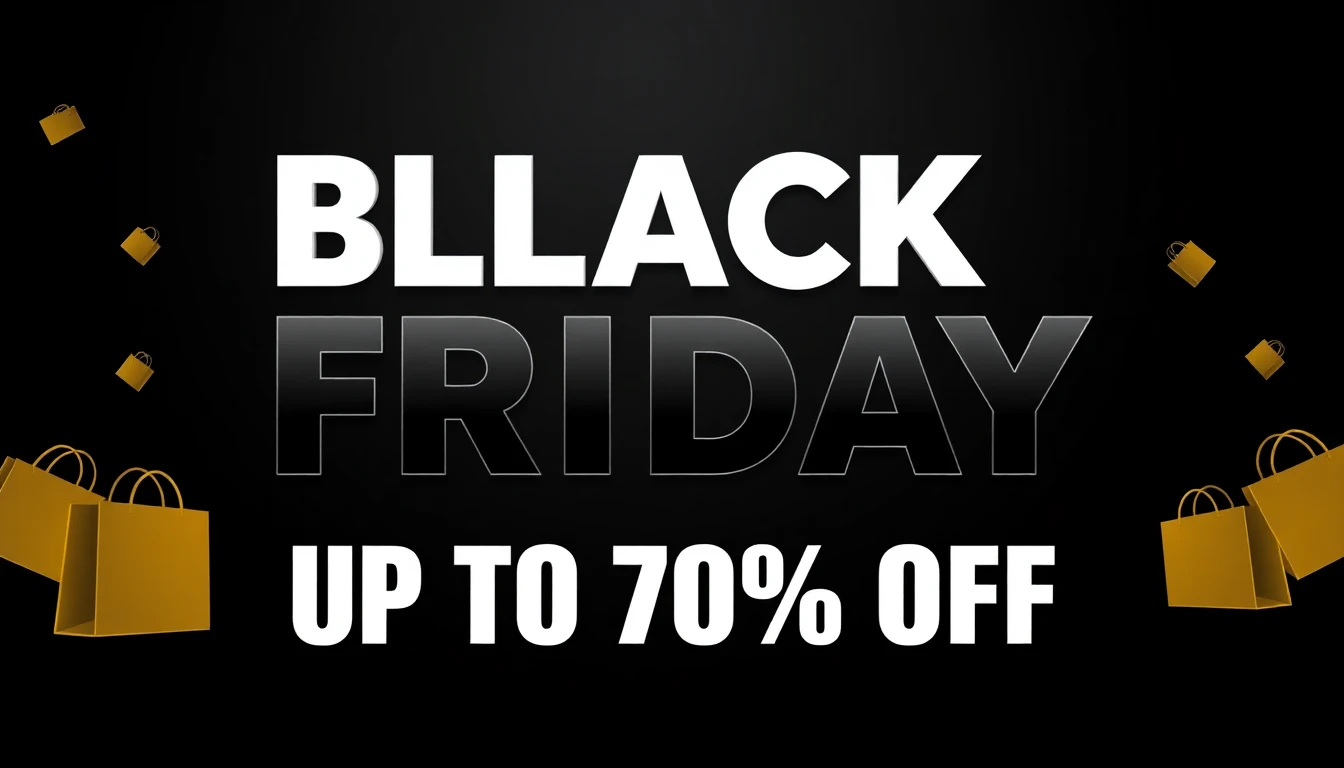
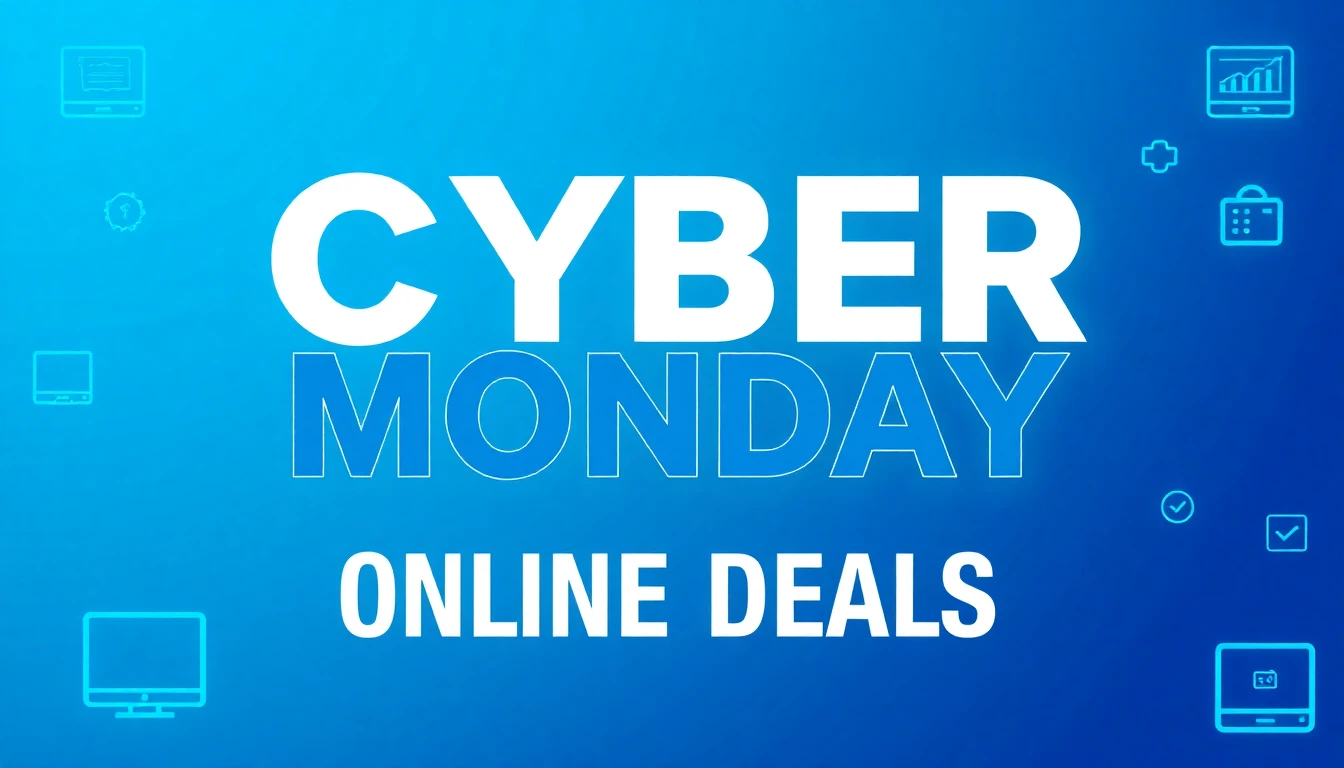
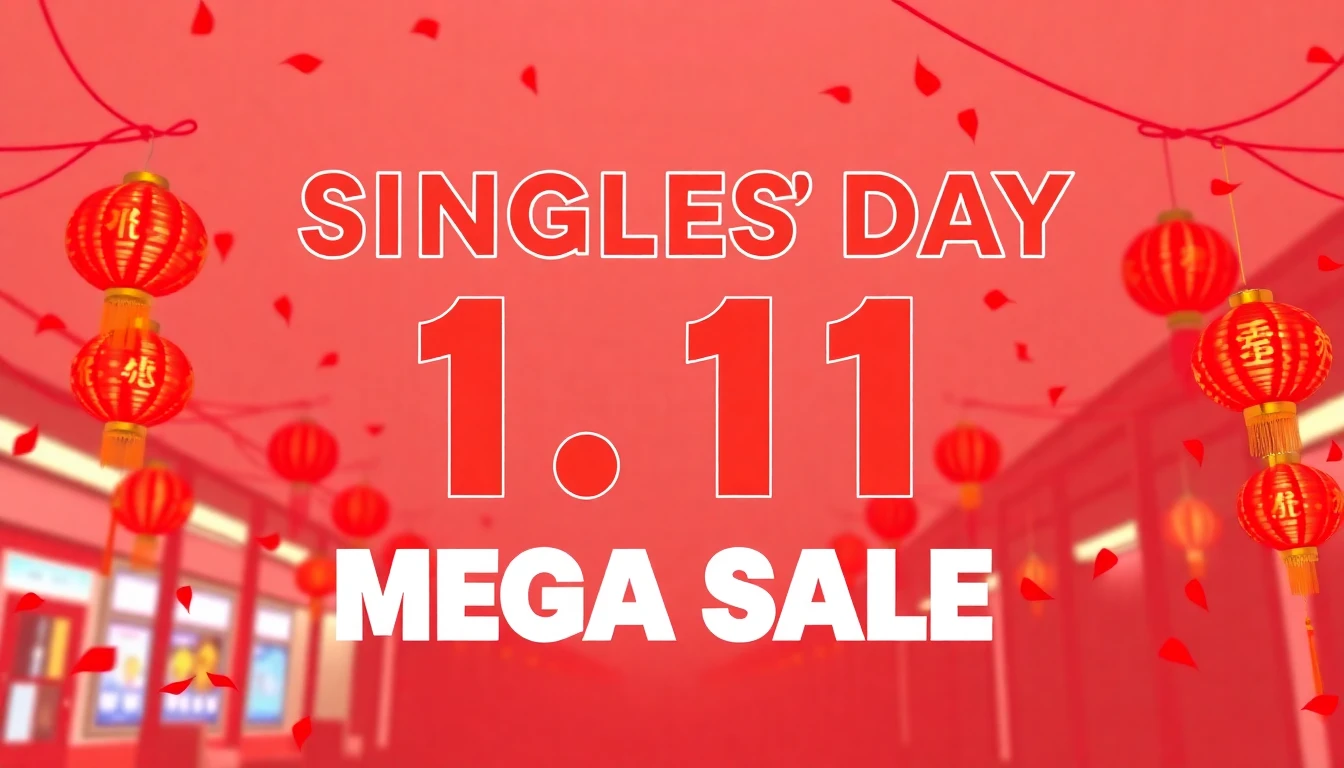
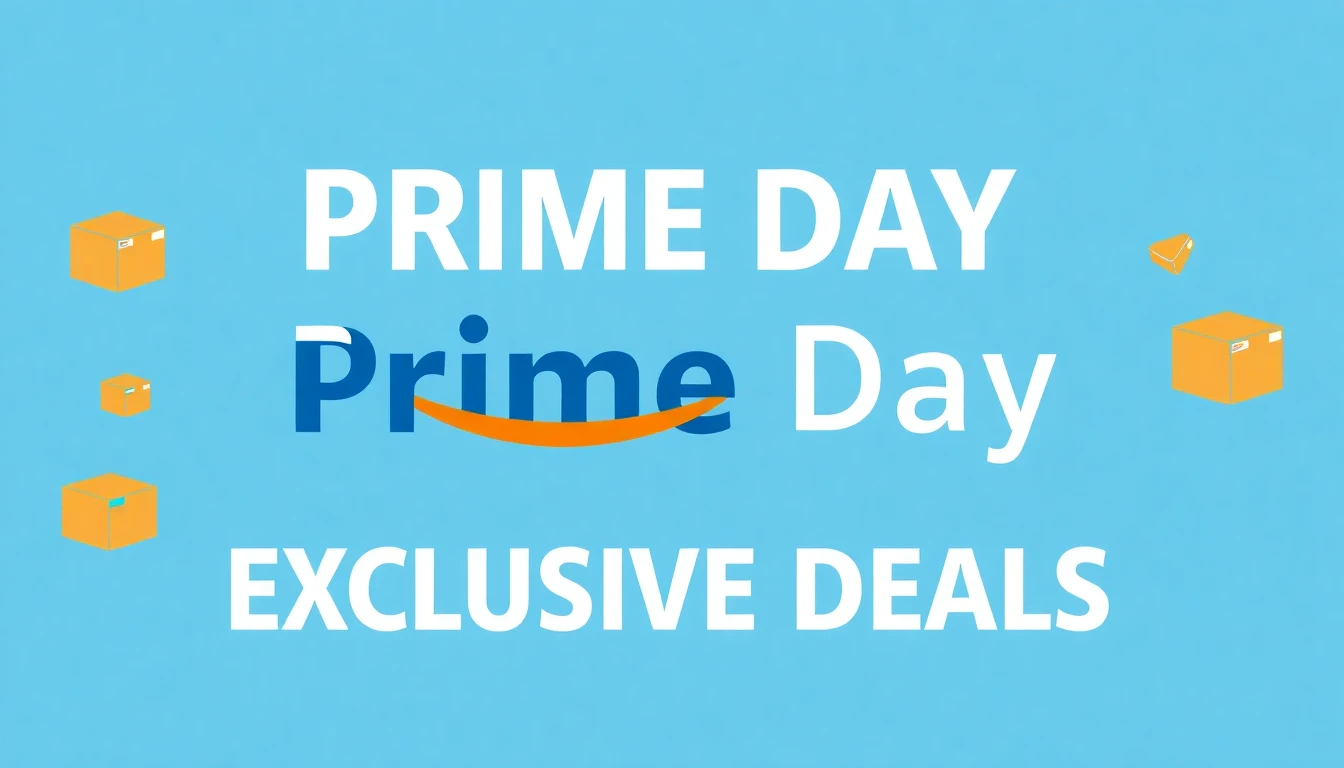
Which ones do you know?
Which ones do you think are the MOST commercial?
Which ones might have a more "positive" or "ethical" purpose (supporting small shops, mood awareness, the environment)?
Discussion: Which celebration would you most likely participate in? Why?
fictional commercial days
Print and cut along dotted lines to share with students
Big discount day after Thanksgiving, seen as the start of Christmas shopping; created to boost sales with "doorbuster" offers.
Online shopping Monday after Black Friday, invented by marketers to push people to shop online.
"The most depressing day of the year," popularised in media and advertising; often used as a marketing hook to sell products that promise to improve mood.
Started in China on 11/11 to celebrate being single, but turned into the world's biggest online shopping day thanks to huge e-commerce promotions.
A 1–2 day sale event created by Amazon to promote Prime membership and encourage massive online spending.
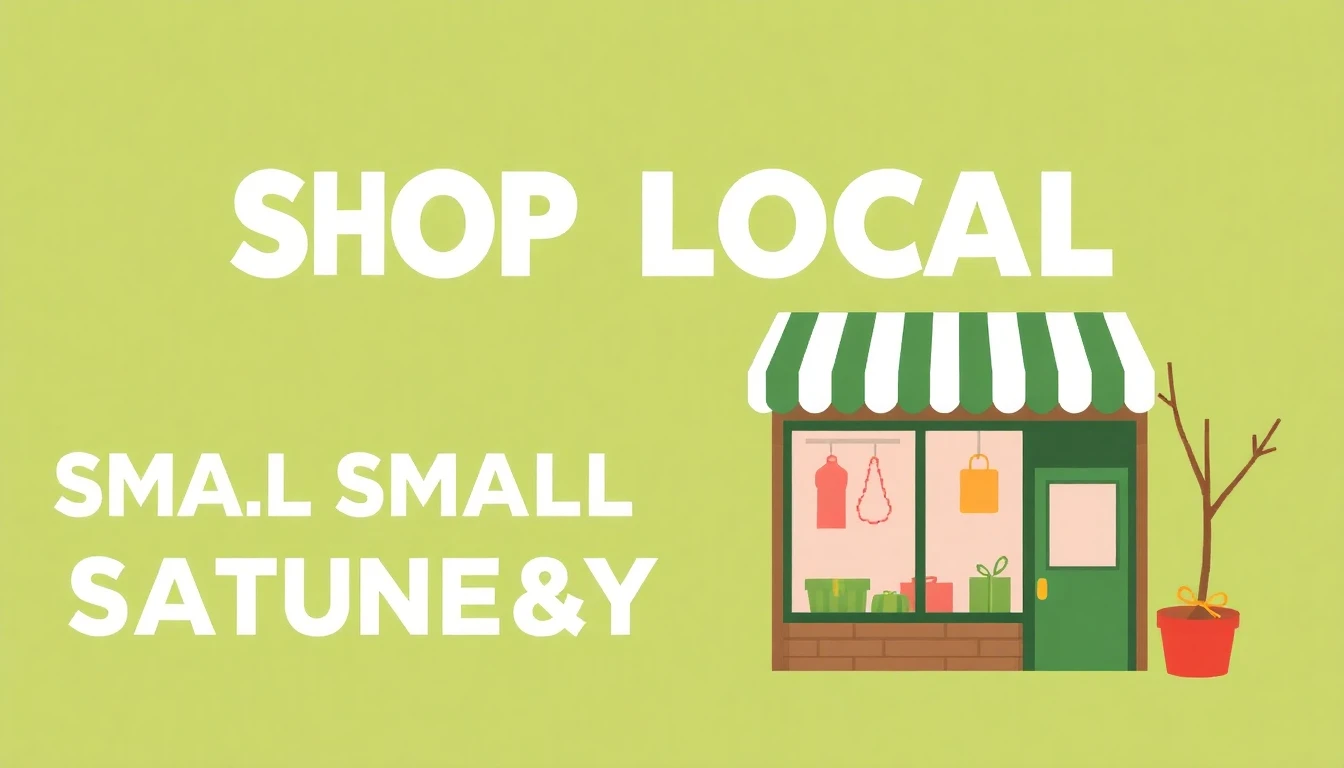
A day that encourages people to shop at local small businesses instead of big chains or platforms.
One of the biggest online shopping days in December, promoted by retailers as a last chance to buy holiday gifts online.
The last Saturday before Christmas, used by retailers to push last‑minute shopping with strong promotions.
Use these questions to guide a class debate or small-group discussion.
Teacher tip: split students into pro/con teams and allow 6–8 minutes per side, then open for cross-questioning.
Well, um, I think Small Business Saturday is really a good day. You know, it helps people shop at local stores, like small shops and cafés, instead of big online companies. When we buy from these places, we support real people in our town, and, uh, this helps them pay their bills and keep jobs for others.
Of course, it is still about shopping, but the money, you know, stays in our community. Big stores like Amazon have huge sales, but small businesses cannot do that, really. So this day gives them a chance to get more customers, and people can find special things and talk to the owners.
At the end of the day, we sometimes forget about local places. Small Business Saturday, um, reminds us that our choices can make a difference. It helps keep our streets fun and full of life, you know, and that is why I see this day as positive and helpful.
So, um, in my opinion, days like Black Friday, Cyber Monday and Amazon Prime Day are mostly bad and a bit tricky. They make us feel we must buy now or, you know, we will miss a great offer. This pressure stops us from thinking if we really need these things or if we can pay for them.
These days also push us to buy too much. We get cheap clothes or gadgets that we, uh, do not use for long. It is good for big companies, but not for our money or for the planet, you know. All those products need a lot of energy and create more waste.
And even Blue Monday, well, it uses sad feelings to sell things like trips or books. It does not really help with real problems like stress or depression, I mean. So, yeah, these special days often feel like a way to control us and make us spend more than we should.
I think consumerism can be good for the economy.
In my opinion, shopping creates jobs for many people.
For me, special sales help families save money.
I believe buying things can make life more comfortable.
I feel that new products can make our lives easier.
I think shopping can be enjoyable if we are careful.
I think consumerism is a big problem today.
In my opinion, people buy too many things they don’t need.
For me, consumerism makes people too materialistic.
I believe it is bad for the environment when we buy too much.
I feel that advertising pushes us to spend more money.
I think consumerism can make people unhappy and stressed.